What is the wine pairing experience? Discover how wine can transform a meal
For many people, pairing seems like a rule: a certain wine with a certain dish. However, the pairing experience goes much further. It’s not just about accompanying a meal with a glass. It’s about discovering how both elements change when they meet.
So what is pairing really? We spoke with Javier Tarkowski, Head Sommelier at Hotel Las Majadas, to understand why this experience has become one of the most interesting ways to discover wine and gastronomy.
What is the pairing experience?
“Accompanying is putting two things on the table at the same time. Pairing is getting the wine and the dish to transform each other,” is how Javier defines the concept.
When there is balance between the two, something unexpected appears: a new flavor that wasn’t present on its own. That moment is what many describe as a pairing experience. Beyond the sensory aspect, there is also an emotional and cultural dimension.
For Javier, pairing is a way to travel through Chile’s territories. Each glass reflects a different climate, valley and story. At the same time, each dish connects with local products and new culinary interpretations. When that connection happens, something deeper than a correct combination emerges: an experience.
How do you build a good pairing?
Behind a pairing experience there is observation, technique and curiosity. According to Javier, the starting point is understanding that the wine and the dish must dialogue.
Intensity matters
More intense dishes need wines with more structure. For example, slow-cooked meat usually works better with fuller-bodied wines.
A delicate dish, on the other hand, needs a lighter option. The idea isn’t to compete. It’s to find balance.
The relationship between acidity and texture
One of the most interesting elements of pairing is how acidity changes the experience. A fresh wine can balance dishes with more fat and prepare the palate for the next bite.
That’s why many combinations work even when they seem unexpected.
Breaking traditional rules
Pairing also invites you to question established ideas. A red doesn’t always have to be served the same way. A white doesn’t always have to be extremely cold.
Sometimes, small changes in temperature reveal new layers of aromas and textures.
What surprises people most when they experience pairing for the first time?
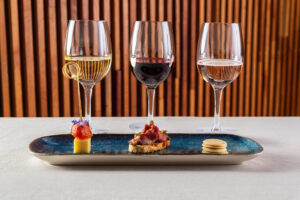
The answer comes up again and again: the change. Many people taste a wine on its own and form a first impression. However, when they taste it with a dish, they discover something completely different.
A wine can feel friendlier. A sauce can reveal hidden aromas. A texture can change the whole experience.
There are also surprises that challenge certain preconceptions: a fish with a light red, a dessert with a wine that balances its sweetness. In those moments, one of pairing’s great attractions appears: discovering that there is no single answer.
How to start experimenting with pairing at home
Javier’s advice is simple: leave preconceptions at the door. There is no perfect combination, only different experiences.
To get started, he suggests doing something everyday. Order a pizza. Make empanadas. Open two different wines and taste. Compare. Talk. Discover what changes with each bite. Because, in the end, pairing doesn’t start in the glass. It starts at the table.
Much more than wine and gastronomy
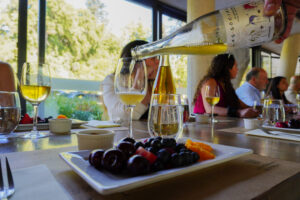
The pairing experience invites you to pay attention to every detail the glass and the plate offer. It lets you discover new flavors, but also open conversations and create memories.
At Hotel Las Majadas, this approach seeks to connect wine with the land, gastronomy and shared time. Because often, a glass and a plate are “the ideal starting point to end up unraveling stories, memories and emotions,” says Javier Tarkowski.