MAIPO GRAND CRU EXPERIENCE PROGRAM → Buy here ·

Maipo Valley

The origins of a land rich in history

The earliest records of Pirque date back to the pre-Columbian period, when the Picunche people inhabited this valley. After the arrival of the Spanish in the 16th century, the lands were divided between Don Alonso de Córdova and Don Rodrigo de Quiroga, beginning a long history of transfers that would shape the area’s agricultural identity.
In the 19th century, Don Ramón Subercaseaux Mercado, a prominent mining entrepreneur, acquired much of the estate and built the Pirque Canal, a key project that redirected the waters of the Maipo River and transformed the area into a prosperous valley. Upon his death, the property was divided among his heirs. One of the parcels, Las Majadas, passed into the hands of his youngest son, Francisco Subercaseaux Vicuña, who dreamed of creating a place that combined the beauty of the valley with European refinement.

The Cappa

Las Majadas Palace
The reconstruction

Infrastructure

The construction of the Palace and its centenary park

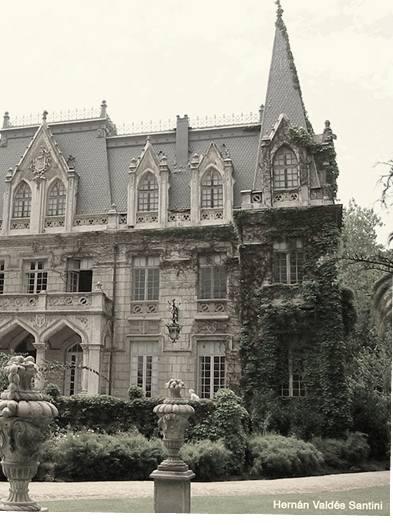
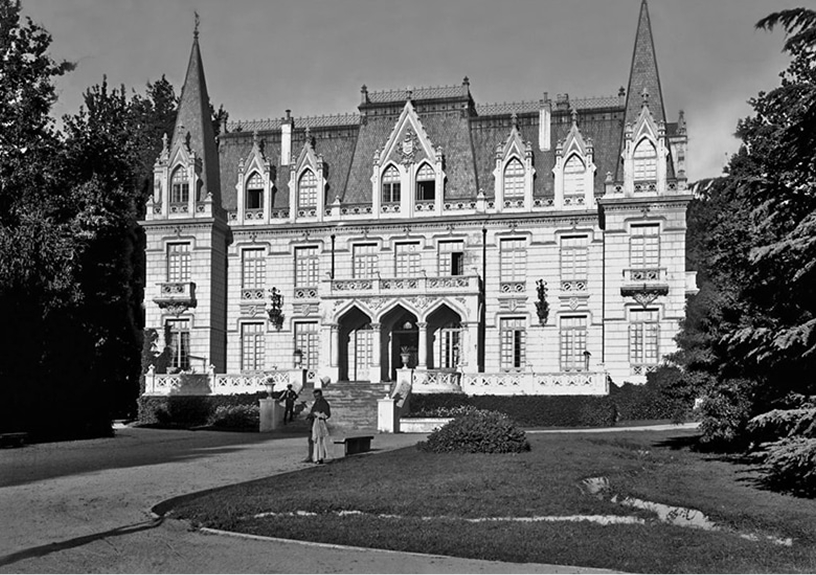
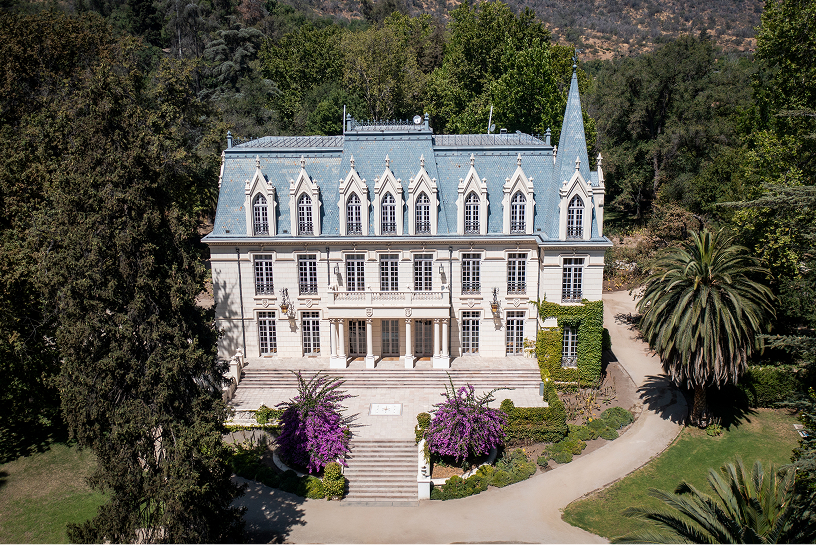
In 1905, Francisco’s children sought to surprise him and commissioned architect Alberto Cruz Montt, one of the most renowned of his time, to design a French-style Palace.

The landscape design was entrusted to Guillermo Renner, who planned an 8.5-hectare park combining native and exotic species, symmetrical gardens, sculptures, and fountains. The result was an imposing residence, inaugurated in 1907, where the elegance of the Old World blended with the warmth of the Chilean countryside.

Years later, following the nitrate crisis that affected Chile, the Subercaseaux family was forced to sell several of its properties, although Las Majadas remained one of the lineage’s most significant legacies.

Life at the Palace

The era of the Nieto Varas family

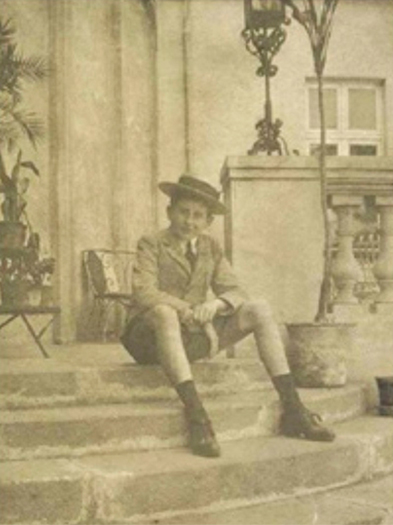
In 1928, the property was acquired by Don Julio Nieto, a renowned agriculturalist from the Aconcagua Valley. His son, José Julio Nieto Espínola, inherited the estate and, together with his wife Elvira Varas Montt, turned the palace into their family home.

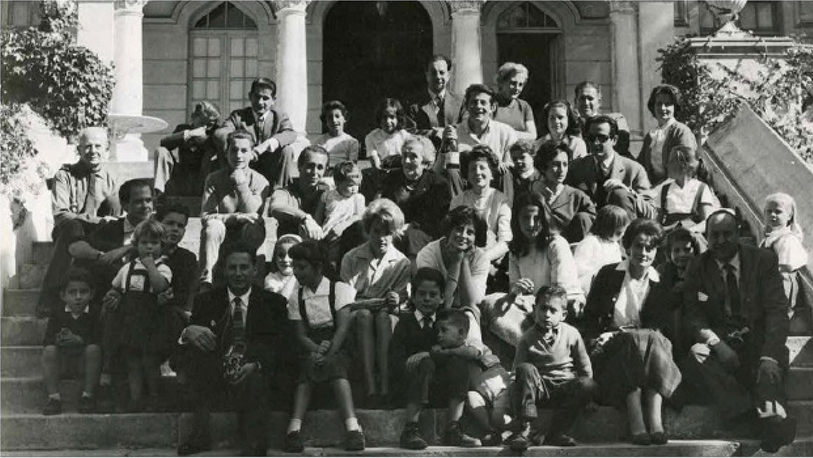
During the 1940s and 1950s, Las Majadas became a center of social and cultural life, hosting receptions, diplomatic events, and religious missions that brought together hundreds of people each summer.

After the death of José Julio Nieto in 1972, the property passed to his children, who kept the family tradition alive by opening the park to the community. In those years, the renowned concerts of the Rosita Renard Foundation were held, along with various cultural activities that strengthened Las Majadas’ connection to the country’s artistic life.

Evolution

A new vision for the 21st century

In 2006, Argentine entrepreneur Wenceslao Casares discovered the property and was captivated by the beauty of the park and the history of the Palace. His vision was to preserve the architecture and surroundings while giving the place a renewed purpose.

Years later, he partnered with Chilean entrepreneur Pablo Bosch and launched an ambitious restoration project. Their goal was to transform Las Majadas into a place of encounters, where people, ideas, and cultures could connect and build relationships based on trust and collaboration.

In 2016, following a process of heritage restoration and the construction of new facilities, Hotel Las Majadas was born—a space that brings together heritage, rest, and nature.

Mission

A destination where past and present come together

Today, Las Majadas is made up of the Palace, Hotel, Sequoia Restaurant, Wine Bar, swimming pool, tavern, Kura Spa, and a Centenary Park that invites guests to explore its trails and breathe fresh air.

Every corner preserves the memory of those who once lived here, while at the same time offering new experiences—from wine tastings and concerts to corporate gatherings, celebrations, weddings, and restful getaways.

More than a hotel, Las Majadas is a meeting point between history and the future. A place where the tradition of the Maipo Valley, wine culture, and hospitality come together to offer experiences that transcend time.